Consultants for Hydro-Québec defend proposal to double energy costs for data centres
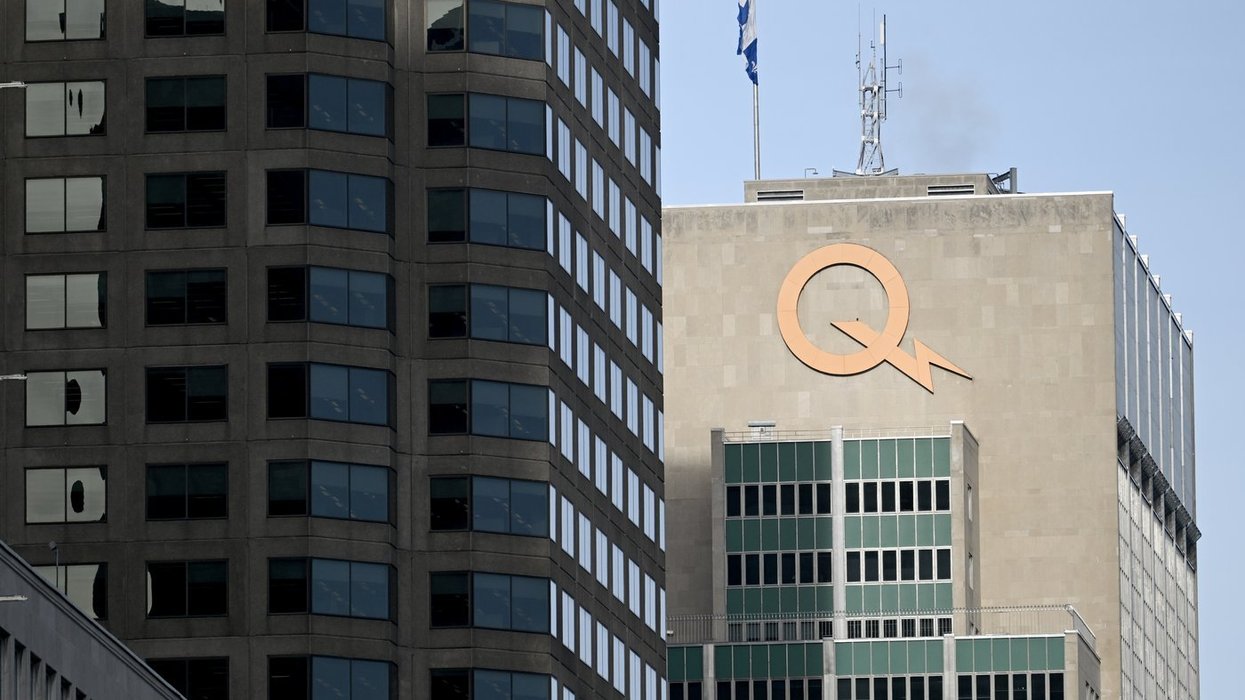
Two consultants hired by Hydro-Québec say they expect the demand from data centres to more than double between 2024 and 2030 — mostly because of the growing AI industry.
The analysts from energy and climate consulting firm Dunsky delivered the message at a public hearing reviewing Hydro-Québec's proposal to hike rates charged to data centres.
Quebec's energy regulator, the Régie de l'énergie, is reviewing the potential rate hike.
Hydro-Québec gave Dunsky a mandate to compare the utility’s proposal with how other North American jurisdictions have reacted to the surge in energy demand from data centres.
Alexis Renaud-Bezot, one of the analysts, said energy consumption from data centres in North America could increase by 133 per cent between 2024 and 2030.
“We are facing growth in our energy demands that is much more significant than what we saw over the past two decades. A large part of that growth is tied to data centres,” he said.
He added that data centres used to train AI models vary in size from 20 megawatts to many thousand megawatts.
The proposed Hydro-Québec changes would increase rates for data centres of five megawatts or larger to an average of 13 cents per kilowatt hour. Data centres currently pay an average of 6.82 cents per kilowatt hour, according to Hydro-Québec’s calculations.
With the average cost of energy production at around 12 cents per kilowatt hour and increasing, Hydro-Québec said early in the hearing it wants to ensure it does not keep selling energy to data centres at a discount that will leave other customers footing the bill.
Hydro-Québec has said data centres that would be subject to the new rate currently consume 190 MW at peak consumption and could reach 1,000 MW by 2035.
According to the firm’s analysis, even with the increased rate, Hydro-Québec’s energy would remain cheaper for data centres than in most neighbouring jurisdictions — but not all.
Data centres would find cheaper energy alternatives in Ontario and New Brunswick, as well as in some parts of the United States.
Renaud-Bezot said dozens of new energy rates have been created in North America to target data centres.
“What goal is behind the creation of these rates?" he asked. "The primary goal is to minimize or avoid impacting the rates for other consumers."
He also highlighted growing social concerns around the effects of data centres on energy costs, local resources and the environment.
“That social opposition, we haven’t seen it as much for now in Quebec, but it’s coming,” said Renaud-Bezot.
Lawyers representing industry actors who oppose the proposal questioned the consultants on the relevance of their comparisons between the energy market in Quebec and elsewhere in North America, noting how Hydro-Québec has a monopoly as a supplier of electricity.
“Evidently, in Quebec, we don’t have a choice” when it comes to energy providers, said Marie-Pierre Boudreau, who represents a data centre coalition.
Hydro-Québec is also proposing an increase to energy rates for cryptocurrency mining and trading projects to an average of 19.5 cents per kilowatt hour.
The first part of the hearing is set to finish on Friday. Representatives from Google and a coalition of environmental groups are among those scheduled to present their own perspective on the proposed rate increase in December.
This report by The Canadian Press was first published Oct. 8, 2026.
By Marieke Glorieux-Stryckman | Copyright 2026, The Canadian Press. All rights reserved.