Raccoon rabies continues to spread in Quebec as government reports third infected cat
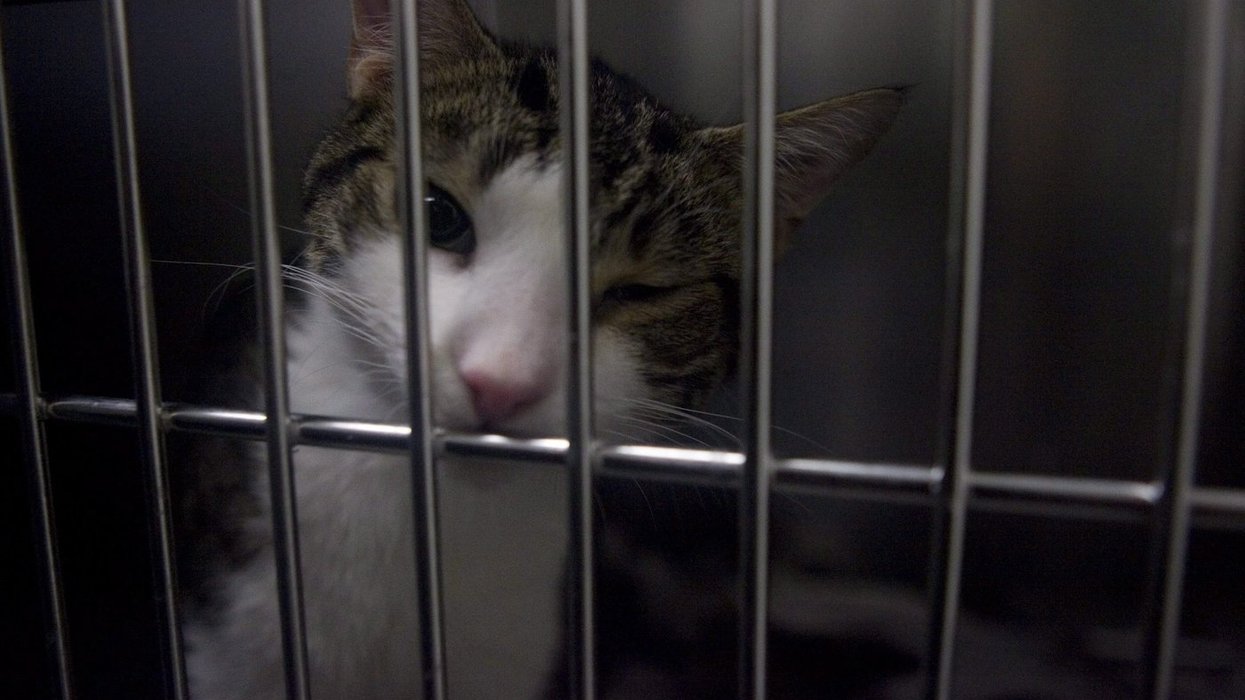
Another cat has been infected with raccoon rabies in Quebec, marking the third confirmed case in a cat this year.
The infection was detected on Sept. 25 in the town of Saint-Denis-sur-Richelieu, in the Montérégie region. The province says the owner and a veterinarian were exposed to the cat's rabies and treated.
The government's latest numbers show 313 confirmed cases of raccoon rabies in Quebec this year.
Officials previously reported two cases in cats in late June.
“It is weird to see all these cats (get infected). Just three cats, but still — it's just unusual, we haven’t seen that,” said Michael Libman, professor in the division of infectious diseases at McGill University.
Most people in Quebec vaccinate their cats against rabies, said Libman.
“It makes you wonder whether we're slipping a little bit on people’s awareness that their pets should be vaccinated,” he said.
Libman sees this third infected cat as a reminder that rabies is not limited to raccoons.
“You can have a rabid dog, you could have a rabid sheep, you can have a rabid cow. All the mammals are susceptible,” he said.
He urged cat owners to make sure their pets are vaccinated and advised people to be careful when petting animals, as rabies can make them more aggressive and more likely to bite.
Children are overrepresented in those who get rabies treatment, said Libman.
“They’re often more curious, and if the animal is cute, no matter what it is, they may approach it in a way that an adult doesn’t,” he said.
Rabies is usually transmitted through saliva, often from an animal bite, explained Libman. He said any person bitten by an animal who might not be vaccinated for rabies should get treatment right away, as the disease is fatal once symptoms appear.
“The thing about rabies is if you get prompt treatment, the illness is almost 100 per cent preventable. On the other hand, if you don't get treatment and you start to get sick, rabies is pretty much 100 per cent fatal,” he said.
Raccoon rabies was under control in Quebec until it returned to the province in 2024, according to the provincial government’s website. Their data shows one case of raccoon rabies in 2024 and 93 cases in 2025.
The government has run multiple vaccination programs to slow the spread of the disease, including vaccine bait distribution and “trap-vaccinate-release” operations.
In an email to The Canadian Press, the Quebec department of agriculture, fisheries and food said it had mandated the Université de Montréal’s faculty of veterinary medicine to run vaccination clinics for pets in several regions.
Cat and dog owners can get their pets vaccinated for $15 in these clinics, which are set to run until late November.
The department also advised people to supervise their pets when they are outdoors and said pet owners should consult a veterinarian if their animal has an unknown wound, even if their rabies vaccination is up to date.
This report by The Canadian Press was first published Oct. 22, 2026.
By Marieke Glorieux-Stryckman | Copyright 2026, The Canadian Press. All rights reserved.