Canada issued new travel advisories for 7 popular vacation spots, including Japan and Mexico
Typhoons, hurricanes, protests and disease outbreaks have all led to new warnings.
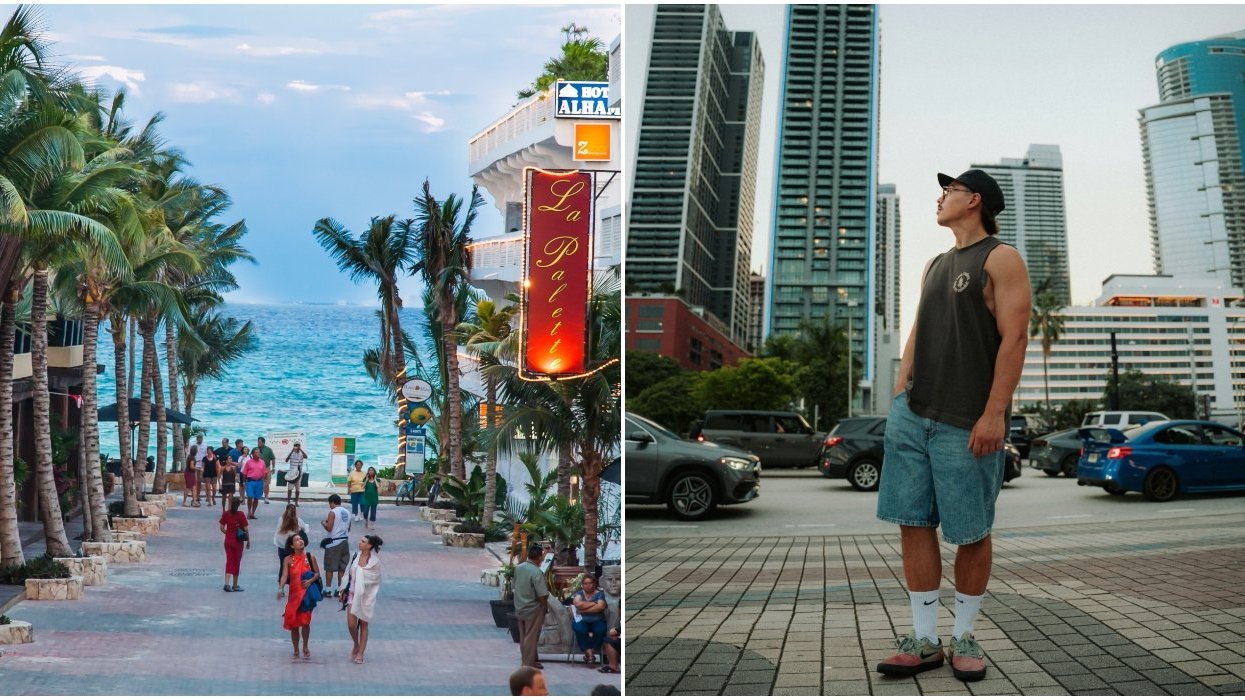
Global Affairs Canada updates its travel advice constantly.
As nights get longer and temperatures plummet, plenty of Canadians are already starting to dream about travelling somewhere warm, or at least somewhere else.
And if you’ve already got a trip booked for the coming months, now’s a good time to check what Ottawa has to say about your destination.
Global Affairs Canada updates its travel advice constantly, and the past couple of weeks have been especially busy. Typhoons, hurricanes, protests and disease outbreaks have all led to new warnings for some of the most popular destinations among Canadians.
Here's what changed, and what you should know before you go.
Japan: take normal security precautions (with regional advisories)
Japan picked up a new warning on October 20. Canada is now advising against non-essential travel to the Ryukyu Islands, including Okinawa Prefecture, as Typhoon Champi is expected to sweep across the islands on October 22.
If you're headed to Okinawa this week, keep an eye on your airline and accommodations, since flights and services could be disrupted. Typhoons typically hit the region between spring and fall, and conditions can change quickly.
The rest of Japan remains at Canada's lowest risk level, "take normal security precautions." The advisory does recommend extra caution in entertainment and nightlife districts, especially in Tokyo, and reminds travellers that some medications that are legal in Canada are banned in Japan.
Mexico: exercise a high degree of caution (with regional advisories)
Mexico's advisory has been on a bit of a roller coaster. On October 13, Canada told travellers to avoid non-essential travel to part of the country's west-central coast as Hurricane Simon approached. Just a few days later, on October 16, a similar warning went up for the coastline from north of Punta San Telmo to Cabo Corrientes ahead of Hurricane Trudy.
The good news? Both of those warnings were lifted on October 19.
Still, hurricane season runs until the end of November, so it's worth watching the forecast if you’re heading to the Pacific or Caribbean coast in the next few weeks.
Outside of the storms, Mexico remains at "exercise a high degree of caution" due to high levels of crime and kidnapping. Canada also continues to advise against non-essential travel to parts of several states, including Sinaloa, Michoacán, Guerrero, Chihuahua and Tamaulipas, with exceptions for certain tourist areas. Popular resort areas generally see less gang-related violence, but the government warns that violent crime still occurs in hotels, restaurants and nightclubs.
France: exercise a high degree of caution
France's advisory was updated on October 19 with a warning about demonstrations involving vandalism, looting, arson and clashes with police. At least 2,400 people were arrested after protests over the rising cost of living and poor school conditions turned violent in Paris, Lyon, Marseille and other cities.
If you're in France, Canada recommends avoiding areas where demonstrations are taking place and following the instructions of local authorities.
An update earlier this month also highlighted France’s law against covering your face in public, which includes international airport arrival areas. Violations can lead to fines, and there are no exemptions for tourists or for people who wear face coverings for religious reasons.
The country's overall advisory level is still driven by the ongoing threat of terrorism in Europe. Pickpocketing and phone theft are also common, especially in big cities and busy tourist spots.
Cuba: avoid non-essential travel
Cuba remains one of the most serious advisories on this list. Canada continues to advise against all non-essential travel to the island due to shortages of fuel, electricity and basic necessities, including food, water and medicine. The government also says the security situation has worsened, and foreigners may be at a higher risk of opportunistic crime.
A late-September update added an important warning about medical care. If you receive treatment in Cuba and leave an unpaid bill, you could be required to stay in the country until it's settled. You'll also need to show proof of medical insurance when you arrive.
Money is another thing to plan for. Visa and Mastercard cards are no longer accepted in Cuba, so Canada recommends bringing enough cash for your entire trip, including small bills for things like taxis and tips.
United States: take normal security precautions
The U.S. remains at Canada's lowest risk level, but snowbirds heading to Florida should take note of a new health alert. On October 15, Canada flagged dengue outbreaks in the state, with most cases in Hillsborough County, which includes Tampa. The mosquitoes that spread dengue can bite day and night, so bug spray should be on your packing list.
The advisory also includes a few reminders for anyone crossing the border. U.S. agents can search your phone and other devices without giving a reason, a criminal record of any age can get you turned away, and Canadians staying longer than 30 days need to make sure they're registered with U.S. authorities.
Costa Rica: exercise a high degree of caution
Costa Rica is now covered by a new travel health notice for chikungunya, a mosquito-borne virus that can cause fever and joint pain lasting months or even years. The Public Health Agency of Canada issued the Level 2 notice on October 13, and it also covers Cuba, Nicaragua, French Guiana and Suriname.
The broader advisory remains in place due to crime. Petty theft is extremely common, and passport theft spikes during peak tourist seasons, which run from November to May and from July to August. Car break-ins are also a big problem, especially with rental cars parked at beaches, hotels and national parks.
Canada also warns that riptides are common along the coast, and very few beaches have lifeguards.
Brazil: exercise a high degree of caution (with regional advisories)
If you're travelling to Brazil this week, keep in mind that the country is holding the second round of its general election on October 25. Canada warns of possible political gatherings, demonstrations and increased security before, during and after the vote.
Brazil remains at "exercise a high degree of caution" due to high crime rates and gang-related violence in urban areas. Canada advises against all travel to two favela complexes in Rio de Janeiro, Complexo da Maré and Complexo da Penha, and against non-essential travel to most border areas.
The advisory also warns that people have died after drinking alcohol contaminated with methanol in parts of São Paulo, Pernambuco and Brasília, so be cautious if you choose to drink.
AI tools may have been used to support the creation or distribution of this content; however, it has been carefully edited and fact-checked by a member of MTL Blog's Editorial team. For more information on our use of AI, please visit our Editorial Standards page.