Higher electricity rates may not deter data centres, consultant says
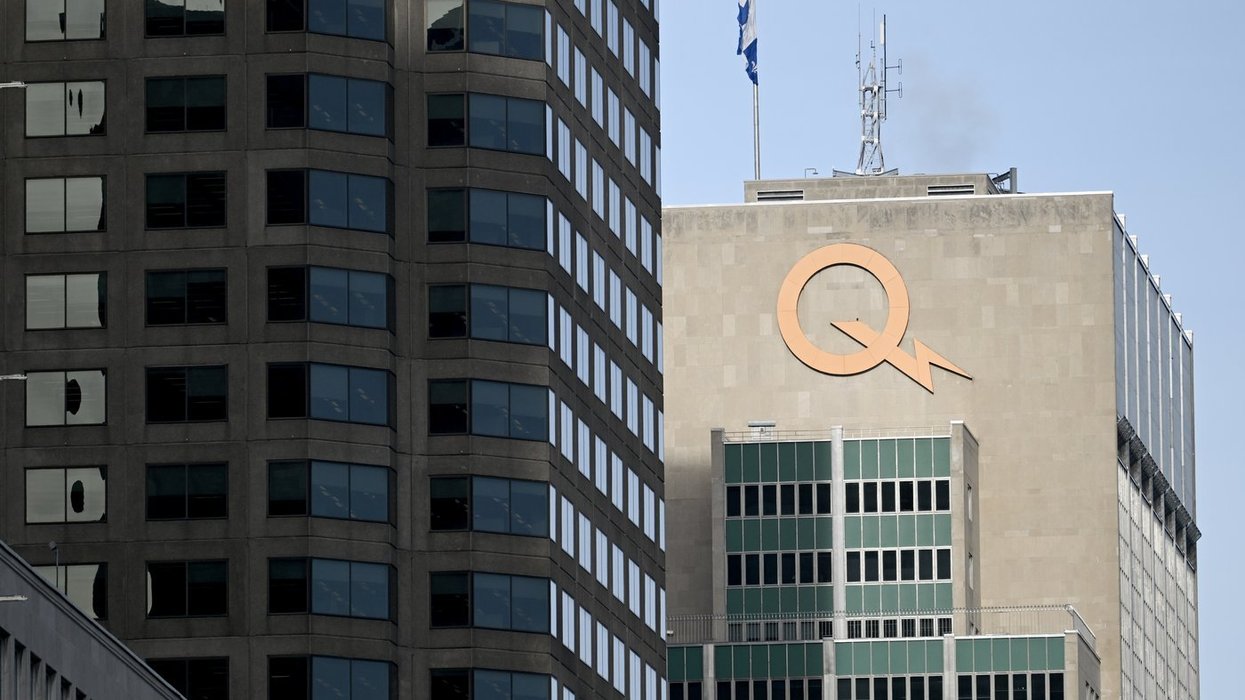
Higher electricity prices may not discourage companies from building new data centres as demand for power continues to grow, a consultant hired by Hydro-Québec told the province's energy regulator on Friday.
The comments came as the first phase of hearings into the utility's proposal to nearly double electricity rates for large data centres wrapped up in Montreal, with lawyers representing Google and an environmental coalition questioning consultants about their study of electricity markets across North America.
Hydro-Québec is asking the province's energy regulator, the Régie de l'énergie, to approve a new rate averaging 13 cents per kilowatt hour for data centres requiring more than five megawatts of power, nearly double the average 6.82 cents currently paid by major industrial electricity users.
The utility has said the increased rate for data centres is not meant to slow down growth, but rather to ensure residential customers don't wind up seeing rate hikes to compensate for discounts offered to the rapidly growing industrial sector.
The proposed increase comes as the expansion of artificial intelligence drives demand for data centres, which require enormous amounts of electricity to operate.
During questioning by the regulator, Alexis Renaud-Bezot, a partner at Dunsky, an energy and climate consulting firm hired by Hydro-Québec, said companies are so eager to secure electricity for their data centres that they may still pursue new projects even if power becomes more expensive.
“Developers have such a strong appetite for electricity that price signals have their limits, unless rates become truly excessive,” he said.
He pointed to New England, in the United States, where electricity prices are relatively high but developers continue to pursue data centre projects.
Some municipalities have imposed moratoriums on such projects, he said, as communities grapple with their potential impacts.
But Renaud-Bezot also said securing enough electricity has become a more important consideration for developers than its price.
Responding to questions from a lawyer for a coalition of environmental groups, Renaud-Bezot cited industry research showing that access to electricity had become the leading consideration for data centre developers by 2024, despite not appearing among the criteria used to evaluate markets in 2022.
“We have data centres that are willing to pay more to get a reliable, rapid and ideally low-carbon electricity supply,” he said.
Hydro-Québec estimates that securing new energy supplies costs about 12 cents per kWh, compared with the average 6.82 cents currently paid by large-power customers. The utility has argued that without higher rates, other customers could be left covering part of the additional costs.
Even with the proposed increase, Renaud-Bezot said the 13-cent rate would remain “competitive” with electricity prices in neighbouring jurisdictions, including Ontario, New Brunswick and Nova Scotia.
He said most utilities are expected to take the same approach as Hydro-Québec, increasing rates for data centres to protect their other customers.
That could make Quebec's proposed rate even more competitive in the coming years, he said.
Meanwhile, Adina Georgescu, a lawyer representing Google, challenged whether Dunsky's research provided a meaningful comparison between Quebec and other North American electricity markets.
Google has asked the regulator to reject the proposed rate or allow existing data centres to continue paying their current rates until a more comprehensive review is completed.
She questioned how electricity rates are determined in other jurisdictions, prompting Renaud-Bezot to acknowledge that the firm had not "systematically" examined how those rates were calculated.
Georgescu also questioned whether the study adequately accounted for differences in the size of data centre markets, citing Virginia, in the United States, which she said has more than 600 operating facilities, compared with roughly 20 in Quebec requiring more than five megawatts of power.
But Renaud-Bezot said the report deliberately examined markets of different sizes to identify broader trends, rather than limiting its analysis to jurisdictions with data centre industries similar to Quebec's.
Renaud-Bezot told the regulator on Oct. 8 that electricity demand from data centres across North America could increase by 133 per cent between 2024 and 2030, largely because of the growing artificial intelligence industry.
In a Feb. 19 news release announcing the proposed rate, Hydro-Québec said data centres accounted for about 200 megawatts of peak electricity demand in Quebec, a figure that could rise to approximately 1,000 megawatts by 2035.
The hearing is scheduled to resume in December, when industry and environmental groups will present their evidence and arguments.
This report by The Canadian Press was first published Oct. 9, 2026.
—with files by Marieke Glorieux-Stryckman in Montreal
Copyright 2026, The Canadian Press. All rights reserved.