10 things Canadian tourists should know before visiting Mexico, from someone who went
My recent travels have taught me a lot!
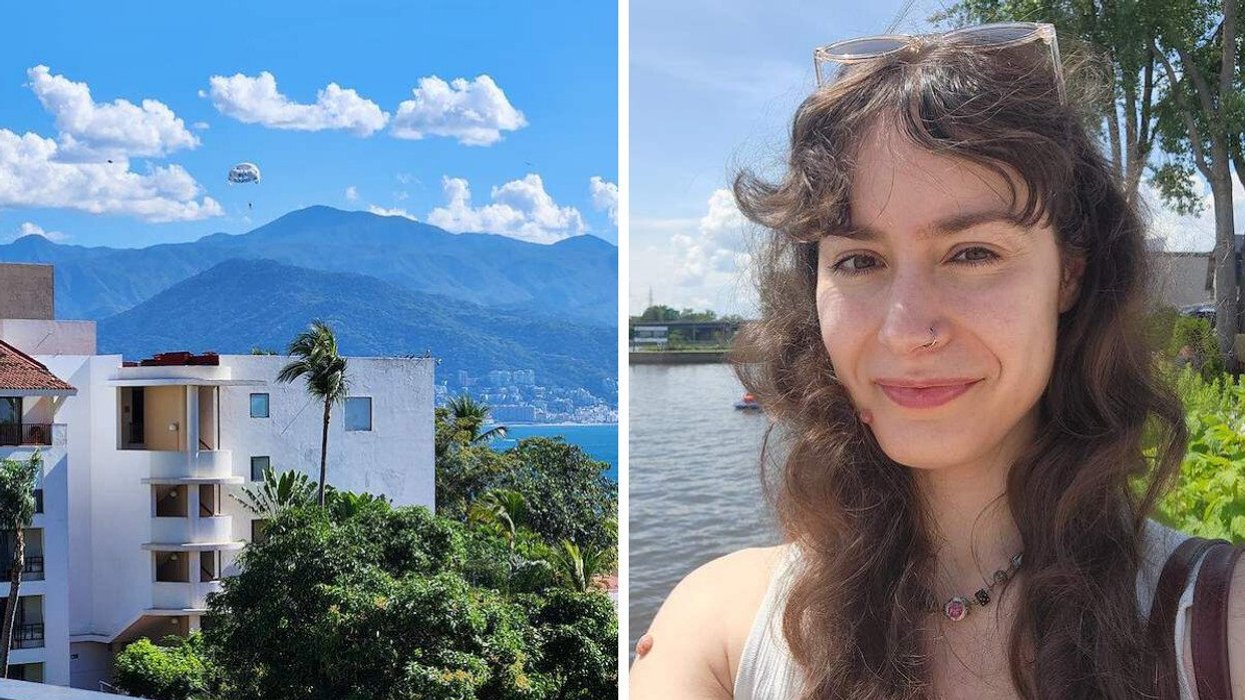
A Canadian tourist in Mexico.
Taking a vacation in Mexico has become even more popular in recent years, and many Canadians who would otherwise wait out the harsh winter months in Florida or California are now heading further South.
This is actually how I ended up in Mexico for the first time. This year, I spent several weeks of the winter in Puerto Vallarta, Mexico. I'd highly recommend the city to anyone interested in visiting.
But my first visit to Mexico was definitely a learning curve. Mistakes were made, laughs were had. Here are 12 things I would tell anyone planning to travel to Mexico.
You should tip the hotel staff
If you're staying at a resort, tip the housekeeping and wait staff, and learn the names of the people you see every day. These are people working hard for underwhelming pay, dealing with comparatively very wealthy tourists who often treat them like they're invisible. So tipping is both helpful to the staff and shows that you're a gracious guest.
Especially considering the exchange rate, we thought tipping what we could for daily housekeeping and at meals was the least we could do.
But then Senora Edith, our housekeeper, nabbed us swankier furniture from a more expensive room on the DL. When I got a migraine one night, Juan the buffet waiter procured some fresh mint and had it delivered to the room so I could make anti-nausea tea.
I know they went above and beyond for us because we were good tippers. But I'd like to think it was also because we weren't jerks.
Sun protection is NOT OPTIONAL
I'm not going to name names, but someone on our trip was a bit loosey-goosey with their SPF usage when we first got to Mexico.
This resulted in our first beach day ending in a pharmacy run, trying to explain in broken Spanish and borderline offensive gestures that someone's bum was lobster-red and we needed any cream they had that could treat it.
I'm not going to lie, it was hilarious. But save yourself the trouble – wear plenty of sunscreen, use beach umbrellas, and FTLOG, wear a hat.
Make it clear that you're not American
Canadians have always had a great international reputation, to the point that American backpackers will frequently put Canadian flag patches on their bags.
It's not like anyone in Mexico will treat you poorly if they think you're American. But when someone asks where you're from and you say, “Soy Canadiana” (or “Canadiano”), their shoulders loosen. Their smile reaches their eyes. If they're talking to you in a service capacity, they suddenly have better advice and deals.
There's a new camaraderie among Mexicans and Canadians, I feel. Perhaps I'm mistaken. But I definitely got that vibe.
Consider dressing more modestly
Between the direct sunlight and strong Catholic influence, you'll notice that Mexicans tend to cover up more than Canadians do. Many women wear one-piece bathing suits at the beach. Many men wear full-length linen trousers, rather than shorts. And practically nobody wears tank tops.
Of course, there's nothing wrong with showing some skin – especially at a resort. But if you're sightseeing, you'll fly under the radar of folks looking to price gouge foreigners much more easily if you're dressed modestly. And if you're interested in visiting historic religious sites in a Catholic-rooted nation like Mexico, covering up is the more respectful move.
You should know at least some Spanish
I'm not saying you need to become fluent. Or even conversational. But on the flight to Mexico, brush up on a bit of Spanish.
Learn your numbers, so you understand prices. Learn phrases like "Please," "Thank you," and "Excuse me." If you have any allergies or health issues, learn how to communicate that quickly. Learn to ask for a telephone, for a bathroom, and for another round of beer. You know, the important stuff.
If you're from Montreal like me, you'd be surprised how quickly you can pick up Spanish by walking it through French. And you can get a lot across with facial expressions and gestures. But as a general rule, it's good to be able to communicate the essentials in any country you visit.
You will be salsa dancing. It's gonna happen.
Many Mexicans can and will dance at any opportunity. And most of the time, when dance music is playing, it's salsa. You don't want to be the only person kind of awkwardly shimmying while the rest of the party knows the steps.
A lot of hotels and resorts offer free salsa lessons to guests. But if that isn't your vibe, putting on a couple of YouTube tutorials before your trip will go a long way to getting you dancefloor ready.
Keep your voice down
This is both a matter of etiquette and practical safety advice: be aware of your volume.
I've written before about how Americans shout when they're in other countries, but it's been brought to my attention that Canadians are loud as well. This does come across as rude and out of touch.
It's also announcing to everyone around you that you're foreign and a bit oblivious.
There might be crocodiles running around
In some parts of Mexico, crocodiles can pop up in places they generally aren't expected to be. I luckily only encountered one surprise croc on my trip.
But in all seriousness, crocodiles can actively hunt humans. So don't sneak a swim after dark or on any closed beaches.
Don't get fleeced by cabbies
Like pretty much everywhere in the world, folks make a lot of extra cash off of tourists' ignorance. The cabbies who park their cabs outside of popular tourism sites will often quote you a far higher price than their colleagues parked even a few blocks away.
It can sometimes be tricky to tell just how expensive something is if you're used to Canadian dollars and you're being charged in pesos. When in doubt, walk away – you'll either find a better price elsewhere, or the driver will offer you a lower price on the spot.
Don't be afraid to haggle
I wasn't sure if haggling was part of Mexican culture before I arrived. But I noticed that the English-speaking tourists paid the first price they were told, whereas the locals and Spanish-speaking tourists all treated the first price as a starting offer.
As it turns out, you can haggle in beginner Spanish. At times I resorted to pointing to the items and flashing the cash I was willing to spend, or using my fingers to communicate numbers. But figuring out the rhythm and dance of Mexican haggling became one of my favourite parts of the whole trip for me.
Just know if you're going to haggle, it must be in Spanish. Even awkward, "this is my fourth language" Spanish like mine gets the job done. But the second you switch into English, many vendors shut down the negotiation.
The opinions expressed in this article are the author's own and do not necessarily reflect the views of Narcity Media.