Canada's grocery benefit pays more than the GST/HST credit — Here's when the payment arrives
The CGEB pays out 25% more than the old GST/HST credit did
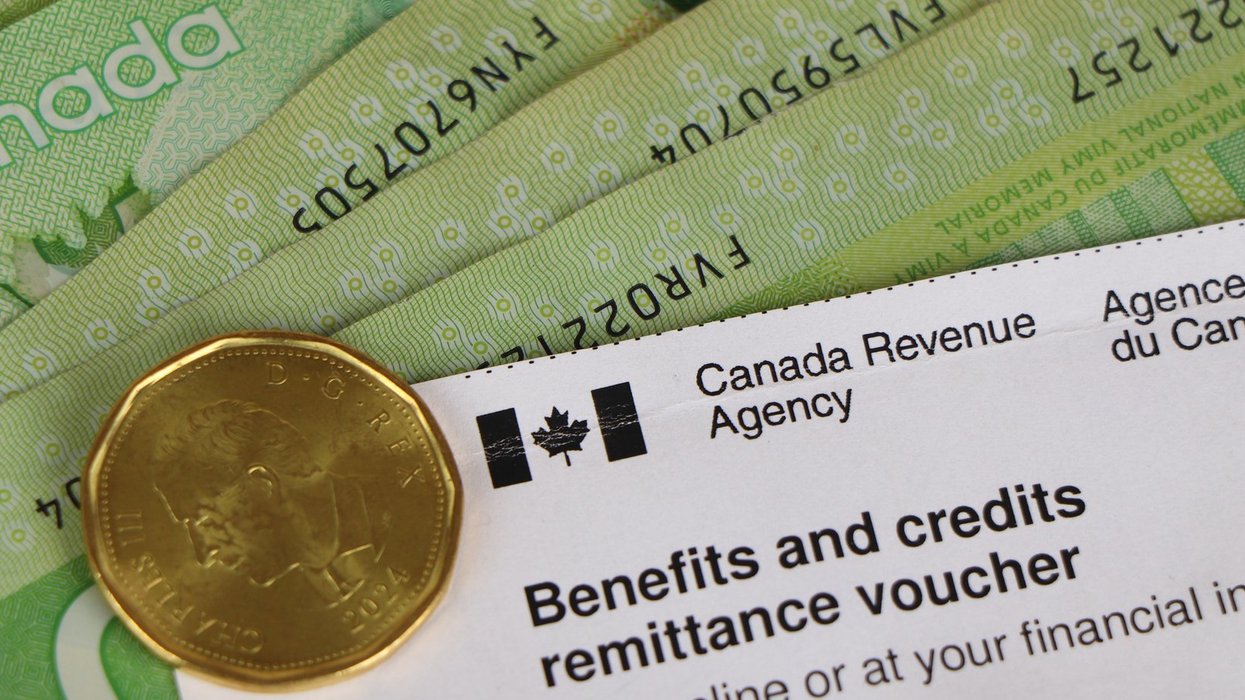
Like the GST/HST credit, the CGEB is quarterly, tax-free, and automatic once you've filed your taxes.
If you've got October 5 circled as your next GST/HST credit deposit, there's something you should know before it arrives: that program doesn't exist anymore, but what's replacing it pays out noticeably more.
Back in July, the Canada Revenue Agency (CRA) permanently retired the GST/HST credit and replaced it with a new program called the Canada Groceries and Essentials Benefit (CGEB).
Like the GST/HST credit, the CGEB is quarterly, tax-free, and automatic once you've filed your taxes, but the amount is not. Starting with July's payment, the CGEB pays out 25% more than the old GST/HST credit did, and that increase is locked in through 2031.
October marks the second payment under the new program, and for most people, it should land in roughly the same range as July's deposit, since both are calculated using the same 2025 tax return.
How much you can get
Based on your 2025 tax return, here's what the CGEB pays out for the July 2026 to June 2027 period:
- Up to $679 for single individuals
- Up to $890 for married or common-law couples
- $234 for each eligible child under 19
Your exact amount depends on your adjusted family net income, marital status, and how many eligible kids you have. The CRA sends a notice, either to your online CRA account or by mail, laying out your full annual entitlement and quarterly schedule.
When the money shows up
The first CGEB payment went out July 3. The next one lands October 5, 2026, and from there, payments continue on a quarterly cycle running from July through the following June each year.
If your quarterly amount comes out to less than $50, the CRA doesn't split it into installments. Instead, you'd get the full annual total in a single lump sum back in July.
Who qualifies?
Eligibility hasn't changed from the old GST/HST credit. You need to be at least 19, a Canadian resident for tax purposes, and fall within the CRA's income thresholds. If you're under 19, you can still qualify if you have or had a spouse or common-law partner, or if you're a parent living with your child.
In shared custody situations, each parent can claim half the benefit for that child, and if you're already receiving the Canada Child Benefit, they're automatically factored into your CGEB total.
There's nothing to apply for separately. As long as your 2025 tax return is filed, the CRA determines your eligibility on its own. Filing late just means waiting until your return is assessed before payments start, and any amounts you missed get paid out retroactively in your next scheduled deposit.
The CGEB itself remains completely tax-free. It doesn't count as income, and you don't need to report it anywhere on your return. To check your own expected amount and payment schedule, sign into your CRA account and look under Benefits and Credits.
AI tools may have been used to support the creation or distribution of this content; however, it has been carefully edited and fact-checked by a member of MTL Blog's Editorial team. For more information on our use of AI, please visit our Editorial Standards page.
- Hilroy left a whole province off the map on its notebooks and Canadians are pissed ›
- Canada just unveiled its new vertical $20 bill with King Charles on it (PHOTOS) ›
- McGill slipped hard in a new university ranking but other Canadian schools continue to climb - MTL Blog ›
- Here's how much the average Canadian earns by province — And Quebec is falling way behind - MTL Blog ›
- From sunscreen to dairy, these U.S. goods just got hit by Canada's retaliatory tariffs - MTL Blog ›
- This chicken is being recalled at Costco stores in Canada and you can get a full refund - MTL Blog ›
- 9 government benefits and credits Quebecers could get money from this October - MTL Blog ›