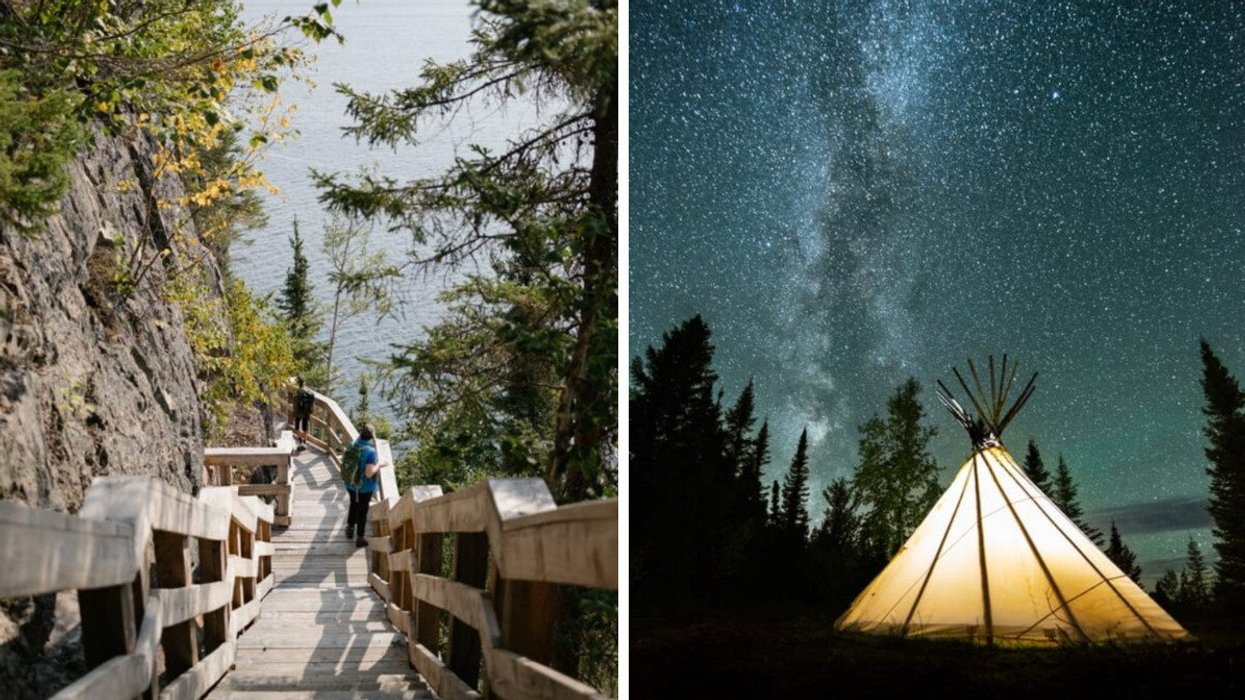
If you're already dreaming up your next big adventure, listen up! Quebec was just named one of the best places in the world to travel to in 2026 — and it's not because of its food scene or historic cities.
In October, National Geographic released its annual list of the Best Places in the World to Travel to, a ranking of 25 destinations selected by its editors, photographers, and explorers.
While iconic cities like Milan and Beijing landed in the top 10, Quebec stood out for something a little different.
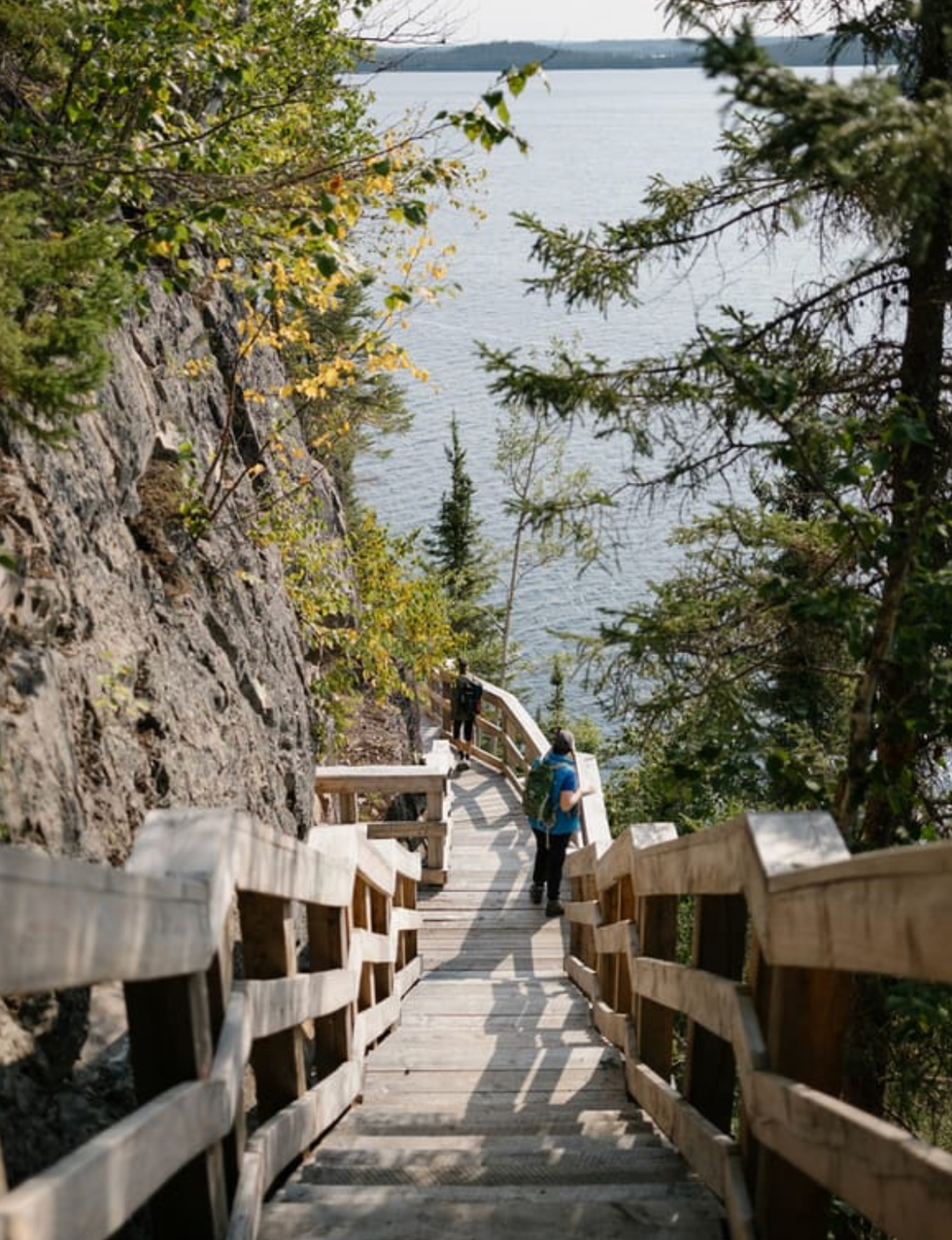 Nibiischii National Park.Alison Caron-Lachance | Handout
At the heart of Quebec's recognition is Nibiischii National Park. Located in the Eeyou Istchee–James Bay region, it's one of Quebec's newest and largest national parks, and the first in the province to be fully operated by a First Nation.
Managed by the Cree Nation of Mistissini, the park protects more than 4,000 square miles of lake country — a territory known as "Nibiischii," meaning "Land of Water."
The protected area encompasses the Albanel-Mistassini-and-Waconichi Lakes wildlife reserve, the largest wildlife reserve in Quebec, shaped by thousands of lakes and rivers across boreal forest.
 Nibiischii National Park.Hooké | Handout
Waconichi Lake is a main attraction in the reserve, where visitors can stay in waterfront cabins, floating chalets, and even relax in a sauna — all available during the warmer seasons.
Nearby, a newly constructed cliffside walkway and suspension bridge provide elevated views across the lake and surrounding forest.
Fishing and canoe-camping expeditions operate across the territory too, which is home to walleye, lake trout, brook trout, and northern pike.
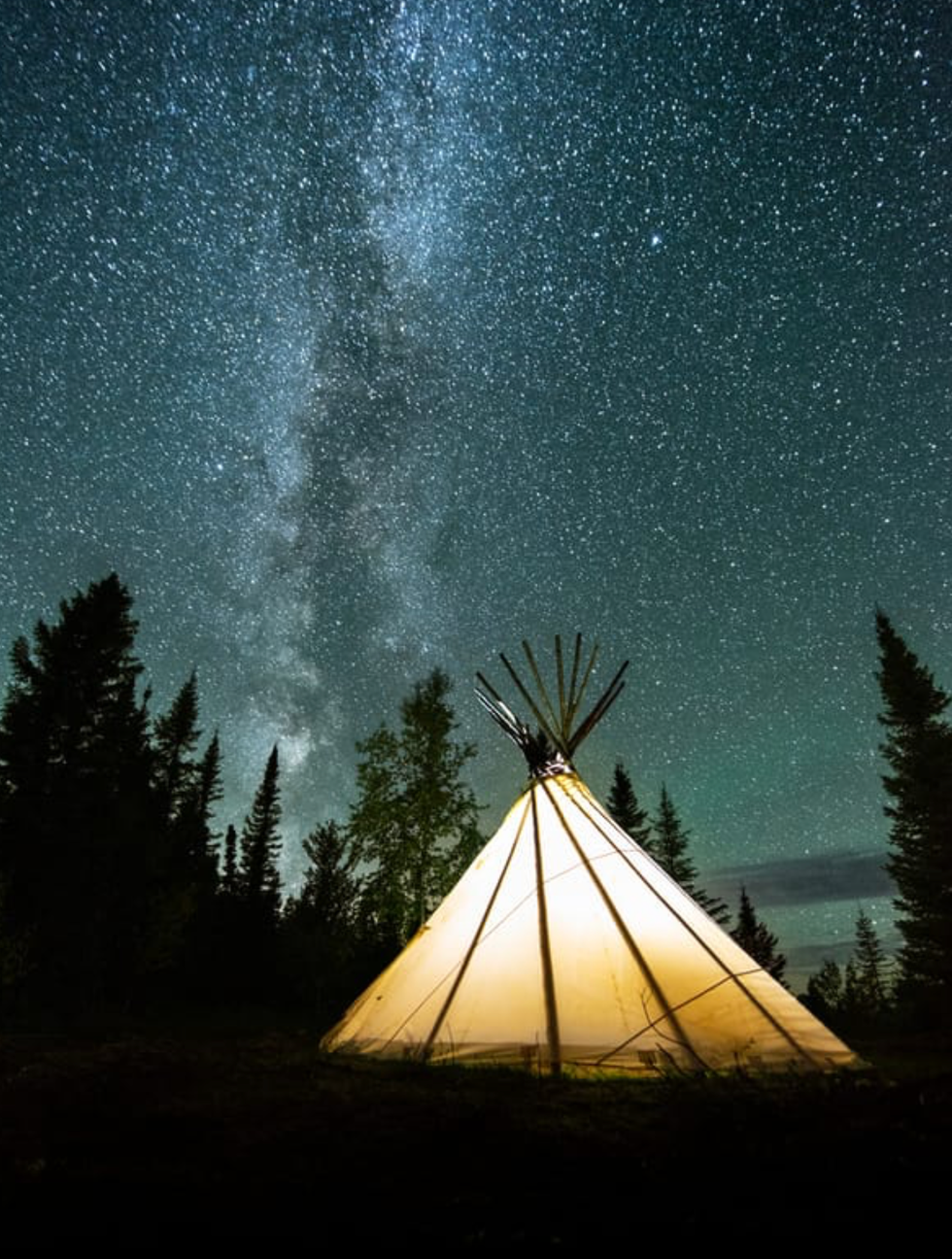 Nibiischii National Park.Félix Duchesne | Handout
According to National Geographic, the Cree Nation of Mistissini has also recently expanded access to the park beyond the summer season.
Last winter marked the first year the nation opened its lodge year-round, introducing Cree-led winter experiences including fireside storytelling, crafting workshops, and wilderness survival classes.
The park's remote location and minimal light pollution also make it well suited for northern lights viewing, with auroras stretching across the sky on clear winter nights.
The area is accessible from Chibougamau, a 90-minute flight from Montreal on Cree-owned airline Air Creebec.
 Nibiischii National Park.Stay & Wander | Handout
Beyond the park, National Geographic highlighted Quebec's broader Indigenous presence. According to the ranking, new developments across Quebec are helping bring more visibility to Indigenous culture, particularly through land stewardship and cultural institutions.
Several Montreal-based initiatives were also highlighted, including an outdoor sculpture trail along Peel Street created by an Indigenous and non-Indigenous artist team, a new Inuit art gallery at the Montreal Museum of Fine Arts, and the Kahnawà:ke Cultural Arts Center, scheduled to open in 2026 in the Kanien'kehá:ka (Mohawk) community south of the city.
Food, naturally, also played a role in Quebec's high placement on the list. The inaugural Michelin Guide Quebec, released in spring 2025, awarded stars to nine restaurants.
Notably, Quebec City's Tanière³ received two stars, while Montreal's Bar St-Denis was praised for its small plates and chef-driven menu.
Iconic bagel shops Fairmount and St-Viateur were also recognized for setting the standard in Montreal-style bagels, and Les Mals-Aimés in the Eastern Townships was honoured for its farm-based tasting menus and intimate setting.
Before you get going, check out our Responsible Travel Guide so you can be informed, be safe, be smart, and most of all, be respectful on your trip.
AI tools may have been used to support the creation or distribution of this content; however, it has been carefully edited and fact-checked by a member of MTL Blog's Editorial team. For more information on our use of AI, please visit our Editorial Standards page.
