Quebec's fall time change is happening soon — but these places have ditched it for good
Enjoy that extra hour of sleep.
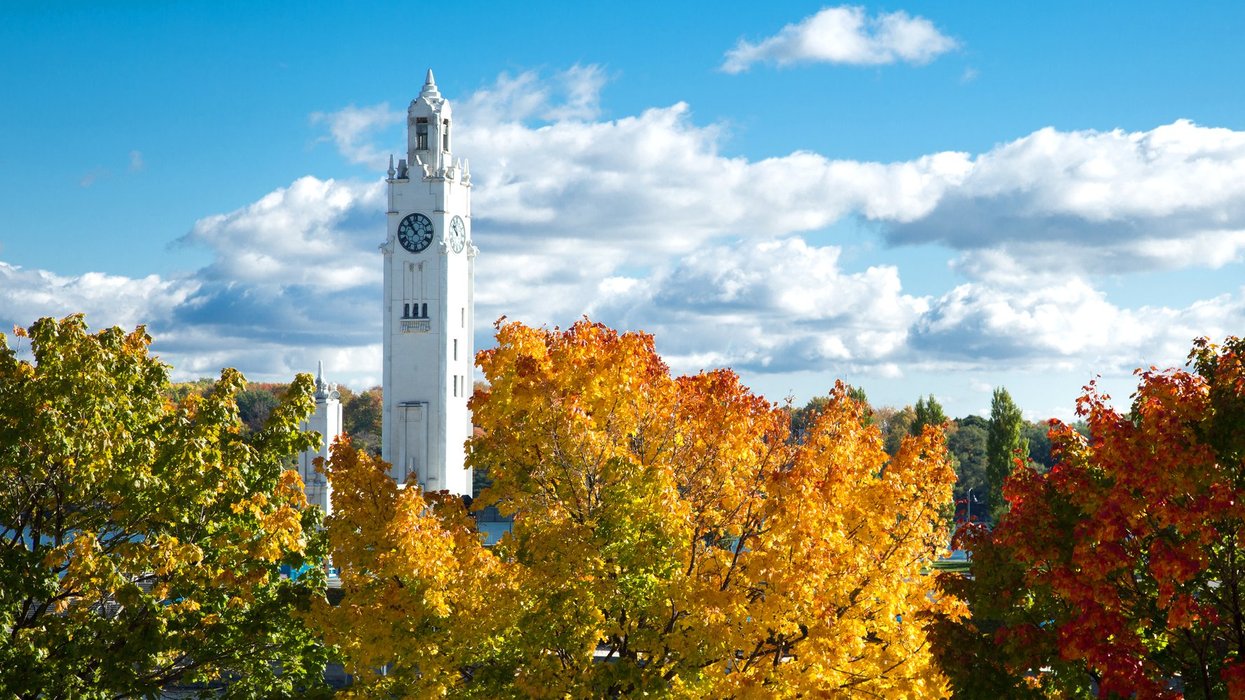
Quebecers will turn their clocks back one hour at 2 a.m. on Sunday, November 1.
There are two kinds of people in Quebec this time of year: those who look forward to the extra hour of sleep, and those who dread pitch-black evenings by 4:30 p.m.
Either way, the fall time change is almost here.
Quebecers will turn their clocks back one hour at 2 a.m. on Sunday, November 1, as daylight saving time comes to an end for another year. But a growing number of places across the country won't be joining us.
And this week, another one was added to the list.
Northwestern Ontario is the latest to ditch the clock change
Ontario plans to move parts of its northwest region to permanent daylight time so they can stay in sync with Manitoba, Indigenous Affairs Minister Greg Rickford told The Canadian Press on Tuesday.
The province intends to change its Time Act on November 1 to allow regions west of the 90th meridian to stop changing their clocks. Rickford said surveys of municipalities, First Nations and businesses showed 90 to 94% support for the move.
The region had been put in a tough spot after Manitoba announced last month that it would stay on daylight time year-round. Northwestern Ontario sits in the central time zone, so it had to choose between switching to eastern time, keeping its clock changes and falling out of step with its neighbours, or following Manitoba's lead.
Who else has stopped changing their clocks
Back in September, Manitoba decided to stop making the annual change after a public survey found 92% of nearly 72,000 respondents wanted the seasonal time changes gone.
It's far from the only one. British Columbia made its final clock change this past March and is now on permanent Pacific daylight time. Alberta followed with what it calls "Alberta time," which means it now shares the same time as Saskatchewan all year.
Saskatchewan, meanwhile, has skipped the twice-a-year switch for decades. Yukon stopped changing its clocks back in 2020, and the Northwest Territories has said it's ending the practice too.
Here's a fun side effect for Montrealers: once we fall back on November 1, Winnipeg will be on the same time as Montreal for the winter.
Why is Quebec still changing its clocks?
It's not because Quebecers like it.
When the provincial government ran a public consultation on the issue in the fall of 2024, about 91% of the roughly 214,000 people who responded said they wanted to stop changing the clocks. Close to three-quarters said they'd prefer to stay on daylight time year-round.
But nearly two years later, nothing has changed. The province has said it's still studying the results, and officials have pointed to the need to stay coordinated with neighbours like Ontario and New York.
That coordination question could eventually be settled south of the border. In July, the U.S. House of Representatives passed the Sunshine Protection Act, which would make daylight saving time permanent across the country, though it still has to get through the Senate.
It's also worth noting that the consultation was launched under the previous CAQ government. The incoming Parti Québécois government hasn't said where it stands on the issue yet.
So for now, Quebecers should plan on setting their clocks back as usual on November 1. Most phones and computers will update automatically, but your stove and car clock probably won't.