Looking for a job? Here are the highest (and lowest) paying fields in Quebec right now
Are you due for a career change?
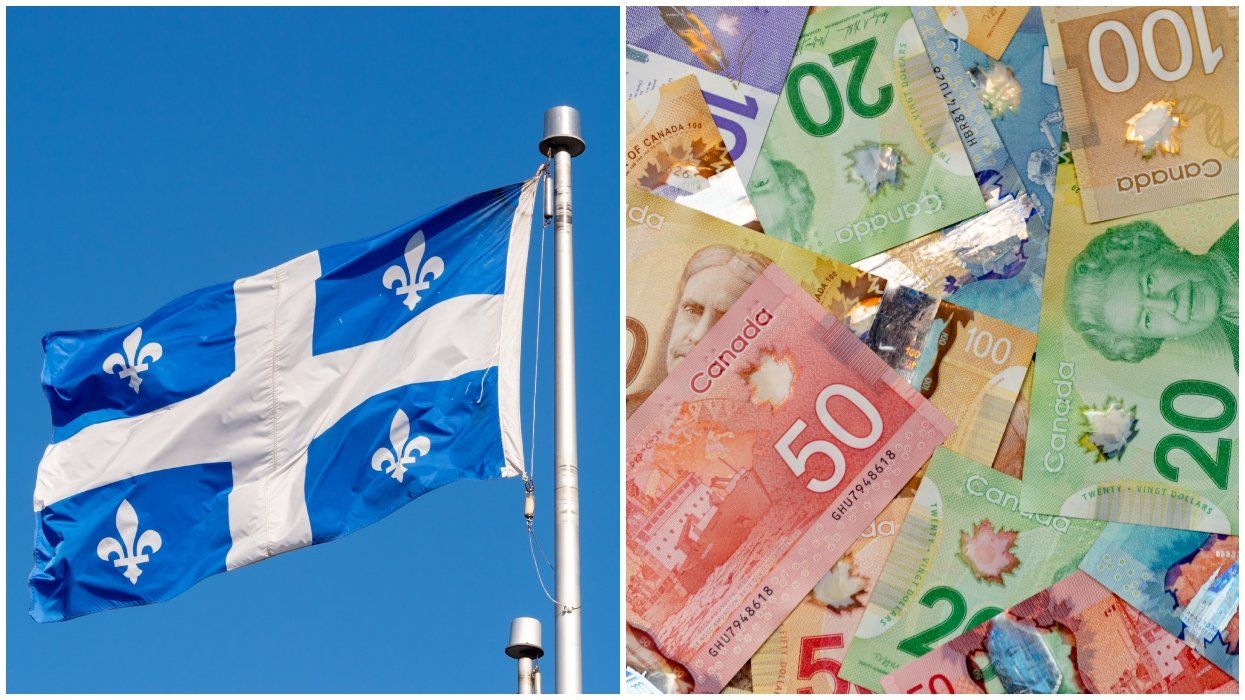
According to updated data from StatCan, the median weekly wage for full-time workers in Quebec now sits at $1,280
With the new year around the corner, plenty of Quebecers are eyeing fresh starts, including on the job front.
If your bank account has been gently suggesting a career change, you're not alone. New numbers from Statistics Canada reveal exactly which industries are bringing home the biggest paycheques in Quebec, and let's just say some job sectors are out-earning the provincial norm by a mile.
According to updated data from StatCan, the average weekly wage for full-time workers in Quebec now sits at $1,280, but depending on what field you're in, you could be making hundreds more (or quite a bit less). From the lowest-earning jobs in hospitality to six-figure careers in energy and public administration, the wage gap across industries is wide enough to make anyone rethink their resume.
Here's how every major sector stacks up, from the leanest paycheques to the fattest ones.
17. Accommodation and food services — $741/week
Restaurants, cafés, hotels and catering jobs sit at the bottom of Quebec's wage ladder. If your dream career involves tips and table numbers, this is still the province's lowest-paying sector.
16. Agriculture — $964/week
From farm work to greenhouse production, this field lands under the $1,000 mark. The work is essential, but the wages remain modest.
15. Business, building and other support services — $972/week
Roles involving janitorial services, call centres, HR, and administrative contracts stay just shy of the provincial median.
14. Wholesale and retail trade — $1,000/week
Warehouse employees and retail workers finally break into four digits, but only barely.
13. Other services (except public administration) — $1,154/week
A mixed category that includes everything from car repairs to community organizations.
12. Health care and social assistance — $1,083.25/week
From hospitals to long-term care, this essential sector pays above some service fields but below the Quebec average — despite enormous demand.
11. Services-producing sector — $1,249.20/week
This StatCan umbrella category covers a wide range of occupations across the service economy.
10. Transportation and warehousing — $1,250/week
Moving goods and people pays consistently well, especially in logistics and freight.
9. Manufacturing — $1,275/week
Whether it's aerospace, food production or consumer goods, factory work sits right around Quebec's weekly median.
8. Educational services — $1,480.85/week
Teachers and academic staff continue to earn well above average wages, despite ongoing labour pressures.
7. Information, culture and recreation — $1,467.38/week
Film, media, gaming and cultural industries are more lucrative than some may think.
6. Finance, insurance, real estate, rental and leasing — $1,500/week
Banks, insurance firms, and real-estate outfits remain dependable high-earners.
5. Professional, scientific and technical services — $1,538.40/week
This category covers a wide range of white-collar fields, such as law, engineering, architecture, IT, and consulting.
From cranes to condos, construction continues to offer strong wages and steady demand.
3. Public administration — $1,625/week
It's no secret that government roles pay extremely well and come with high job security and benefits.
2. Forestry, fishing, mining, quarrying, oil and gas — $1,848/week
Resource extraction remains the second-highest-earning field. The work is rugged and remote, but the paycheques are serious.
1. Utilities — $1,965.07/week
Energy, power distribution, and water systems officially top Quebec's income ladder at the moment. If you control the power grid, you probably don't stress about your hydro bill.
For context, these wage figures come from Statistics Canada's October 2025 payroll data and reflect the median weekly earnings of full-time workers in each industry. That means they're a midpoint, not a guaranteed salary. Every sector includes a mix of entry-level roles, specialized jobs, union positions, and high-earning professionals.
So if an industry looks low (or surprisingly high), keep in mind that it's capturing the whole range of jobs under that umbrella, not just the top or bottom.
- Canada is increasing the GST/HST credit in 2026 and here's how much you could get ›
- These Canadian universities are offering free online courses — no enrollment required ›
- A month-long STM strike starts in a few days — Here's everything we know - MTL Blog ›
- These 20 Montreal restaurants racked up the biggest health inspection fines in 2025 - MTL Blog ›
- Canada's 'freest' provinces were ranked and Quebec didn't score so well ›