Quebec's 2026 rent increase rate just came out & here's what it means for tenants
The deadline to negotiate is March 31.
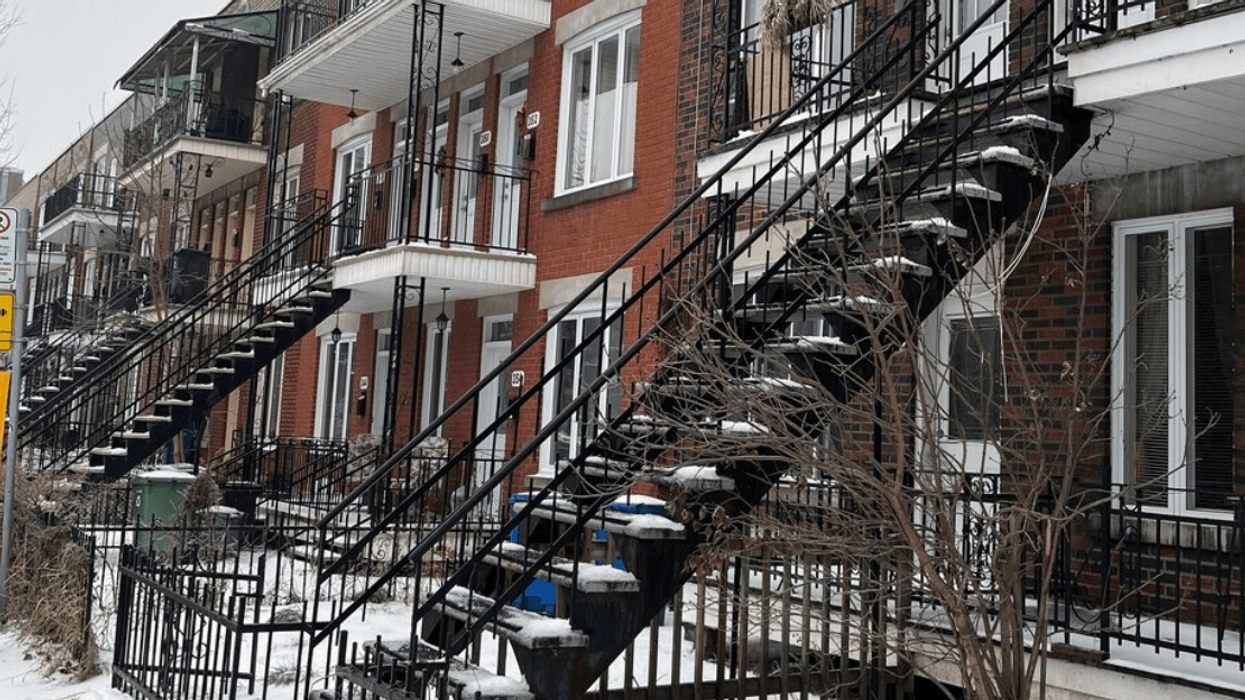
If you're renting an apartment or house in Quebec, the Tribunal administratif du logement (TAL) just dropped its annual rent increase recommendation for 2026 . And while it's lower than last year, you're still looking at a hike.
The tribunal announced Monday that for leases starting between April 2, 2026 and April 1, 2027, the recommended base percentage is 3.1%. That's down from the 4.5% rate that applied to leases starting in 2025.
This is also the first recommendation since Quebec overhauled its rent calculation system on January 1, replacing a method that had been in place since the 1980s.
To put it in perspective, here's what a 3.1% increase would look like depending on what you're paying now:
- $1,000/month rent: Would increase by about $31 to $1,031
- $1,300/month rent: Would increase by about $40 to $1,340
- $1,500/month rent: Would increase by about $47 to $1,547
The tribunal also set a separate rate of 6.7% for the portion of rent tied to personal services (like in some seniors' residences), up from 6% last year.
How the new calculation method works
Since January, the TAL has been using a simplified formula based on four specific indicators instead of the dozen-plus economic factors it used to consider.
The new method looks at Quebec's Consumer Price Index averaged over three years (not just one), municipal property and service taxes, and other costs proportional to each unit.
The tribunal also published a detailed list of major renovations that can justify additional rent increases beyond the base rate, including roof or foundation work, major kitchen or bathroom renos, door and window replacements, energy efficiency upgrades, and safety system updates.
You and your landlord can negotiate
The TAL's percentage is just a recommendation. You and your landlord can agree on whatever increase works for both of you when renewing your lease.
The deadline to negotiate is March 31 each year for leases of 12 months or more.
If you can't reach an agreement, your landlord has one month after receiving your response to file with the tribunal to have the rent officially set. But good luck with that — the TAL received 22,123 rent-fixing requests in 2024-2025 (97% from landlords), and the average wait time has ballooned to about nine months.
If neither party takes any action, your lease automatically renews at the same rent, effectively freezing the terms for another year.
Note that different rules apply to certain types of housing, including buildings constructed or converted within the last five years, subsidized housing, and co-ops.
This article is adapted from "Hausse des loyers au Québec : Voici le taux suggéré par le TAL pour 2026," which was published on Narcity.
- 9 new Quebec laws and regulations coming into effect in 2026 that you need to know about ›
- How much does it cost to live alone in Montreal in 2026? We did the math ›
- Montreal could feel colder than Antarctica this weekend & we're not exaggerating - MTL Blog ›
- Forbes ranked Canada's top employers for 2026 and over 30 Quebec companies made the cut - MTL Blog ›
- Quebec's minimum wage is going up in May & here's how much workers will make - MTL Blog ›
- A 50,000-square-foot Canac is opening in Laval next month — and Montreal could be next - MTL Blog ›
- Federal and provincial tax brackets are changing in 2026 — Here's what Quebecers will owe - MTL Blog ›