Quebec just changed how rent increases work and it affects every tenant in the province
It could make disputes more complicated.
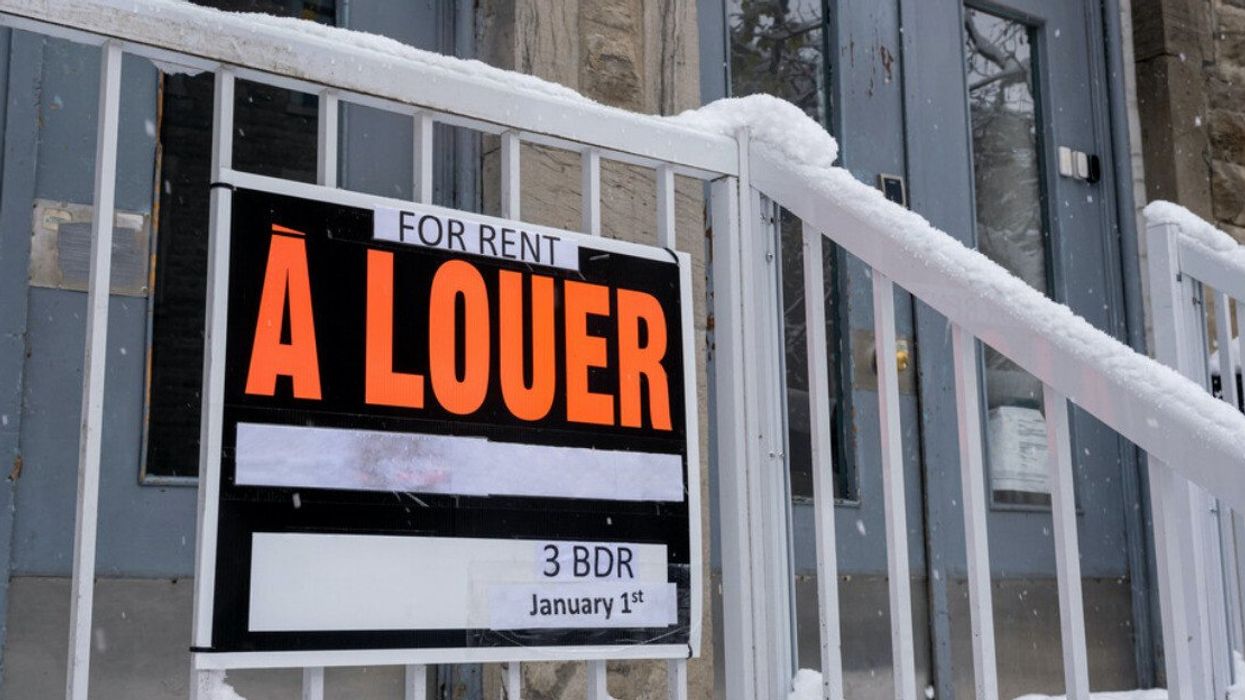
If you're renting an apartment in Quebec, the way your landlord calculates and justifies increases changed on January 1 — and it could make disputes more complicated.
The province's new rent calculation framework officially took effect at the start of 2026, replacing a system that had been in place since the 1980s. The reforms were announced last spring by then-Housing Minister France-Élaine Duranceau after the Tribunal administratif du logement (TAL) recommended a 5.9% rent hike in January 2025, the steepest increase in more than three decades.
Tenant advocacy groups pushed back hard against the changes when they were first announced, but the rules are now live, and both renters and landlords will have to adjust to a more technical process.
The formula is now simpler, but more rigid
Under the old system, rent increases were calculated using more than a dozen economic indicators compiled by Statistics Canada. That's been streamlined to four core factors:
- Inflation: Based on Quebec's Consumer Price Index, averaged over three years instead of just one.
- Municipal property taxes and services: Calculated based on year-over-year changes, proportional to each unit.
- School property taxes: Added to the calculation only if the increase exceeds inflation.
- Fire and liability insurance premiums: Included as part of the overall formula.
The new approach is designed to be more predictable, but it also means less room for interpretation when disputes land at the TAL.
Landlords now have a formal renovation checklist
One of the biggest changes is a detailed list of major renovations that can justify rent increases. These include:
- Roof or foundation work
- Major kitchen or bathroom renovations
- Door and window replacements
- Energy efficiency upgrades
- Safety system updates to meet current standards
This gives landlords clearer guidelines for what qualifies as a legitimate reason to raise rent — but it also means tenants can now compare their landlord's claims against an official standard.
What renters need to watch for
The new rules don't guarantee higher or lower rent increases, but they do change how the game is played.
Calculations are now more structured and technical, which can make it harder to challenge a proposed increase if you don't have all the details. That's why asking for a full breakdown of any rent hike is more important than ever.
One key protection: landlords are now required to deduct any government subsidies or financial aid they received for renovations. The rule is meant to stop tenants from footing the bill for work that was already publicly funded.
In practice, that means you have the right to ask whether your landlord got help from government programs before agreeing to a renovation-related increase.
What property owners are dealing with
For landlords, the biggest upside is predictability. The formal list of recognized renovations makes it easier to justify increases before the TAL, and the rules around taxes, insurance, and services are now more clearly defined.
But there's a trade-off: calculations are more tightly controlled, and landlords must subtract any financial assistance they received before raising rent. If you received a subsidy, you can't pass the full cost on to tenants anymore.
Seniors' residences follow different rules
Private seniors' residences are now subject to a separate calculation method. The portion of rent tied to care services is adjusted using a health services index, not general inflation.