These travel habits can get your Canadian bank account frozen, according to a legal expert
From internet use to ATM withdrawals, everyday behaviours can trigger fraud alerts.
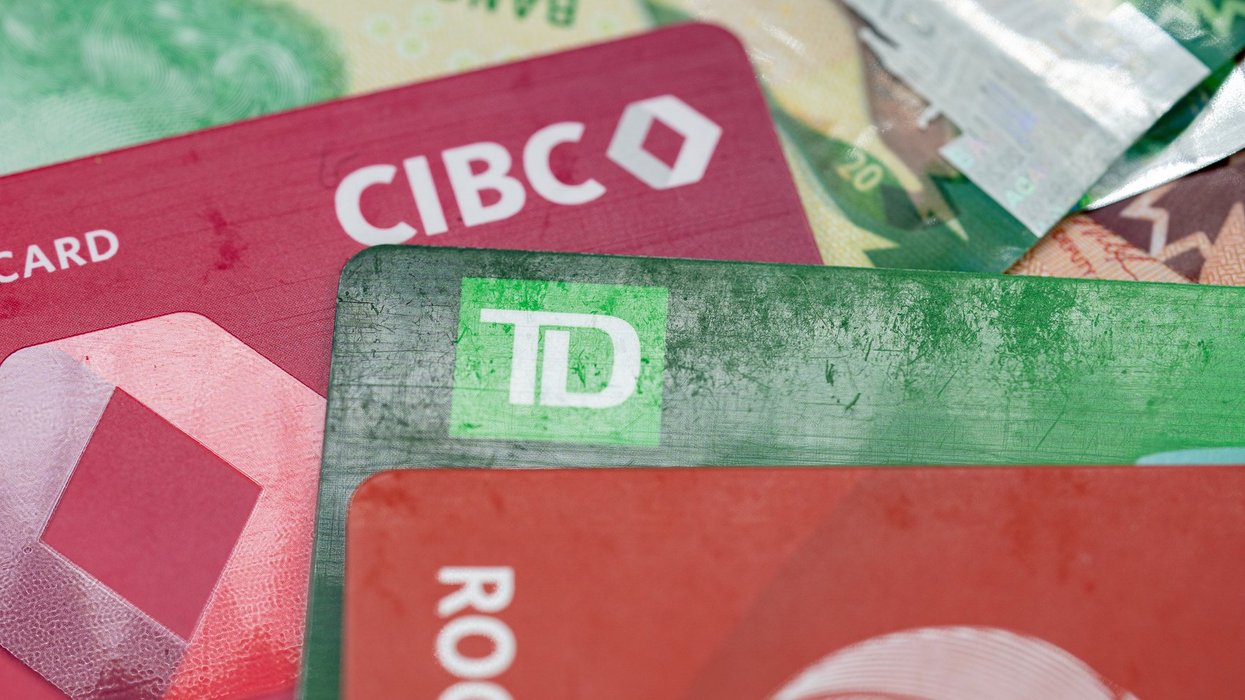
One Canadian lawyer says the reason your account gets frozen while you're abroad often comes down to one thing.
Most Canadian travellers think fraud alerts are just a minor annoyance. Your card gets blocked, you call the bank, and the problem gets solved.
But according to a legal expert, these blocks aren't random. They're actually triggered by specific behaviours that look suspicious to bank algorithms.
Harrison Jordan is the founder of Substance Law, a Toronto-based law firm that works with fintech companies and knows how fraud detection systems operate. He says the reason your account gets frozen while you're abroad often comes down to one thing: you're acting differently than usual, and the system notices.
"These systems are not trying to catch criminals specifically," Jordan explains. "They are built to detect anomalies. If your behaviour suddenly looks different from your established pattern, that is enough to trigger a review, even if what you're doing is completely legal and ordinary."
Banks often use automated systems that watch your account activity constantly. They don't know you're on vacation. They just see that something's different, and if it's different enough, you can get flagged.
With that in mind, here are seven common travel behaviours that routinely set off fraud alerts.
1. Rapid location changes
Using your card in New York in the morning and London six hours later is one of the fastest ways to trigger a fraud alert. The system tries to figure out whether that timeline is even physically possible based on your history.
"Banks call this 'velocity checking'," Jordan says. "The system is asking: could this person realistically be in both places? If the answer is unclear, the account may be flagged pending review."
2. Multiple large bookings in a short time
Booking a flight, hotel, car rental and several tours within a few hours might just feel like efficient trip planning. But to fraud detection systems, it looks like someone's gone on a spending spree with a stolen card.
The speed and size of the transactions are exactly what these systems are designed to catch.
3. Using a new device or SIM card abroad
Picking up a local SIM or logging in from an unfamiliar device makes sense when you're travelling. But to a risk system, it's a potential problem.
Your account is suddenly being accessed from a device the bank doesn't recognize, on a network it doesn't recognize, in a location it doesn't recognize. That makes for three red flags at once.
"Each of those factors on its own might not trigger anything," Jordan notes. "Combined, they create a risk score that can cross the threshold for an automated block."
4. Switching VPN locations frequently
Using a VPN to access streaming services or stay safe on public Wi-Fi is pretty common. But if you're constantly switching VPN locations, or connecting through a server in a country you're not actually in, it messes with the location data banks rely on.
As a result, your account looks like it's bouncing between multiple countries at the same time.
5. ATM withdrawals in unusual patterns
Withdrawing cash in a country where you've never used an ATM before, or making several withdrawals back-to-back, can trigger alerts. The systems compare what you're doing now to what you normally do.
If you never usually withdraw cash and suddenly you're hitting ATMs multiple times in one day, it's going to raise suspicion.
6. Repeated booking cancellations or changes
Changing flights, adjusting hotel dates and cancelling reservations are all normal parts of travel. But if you do it repeatedly and quickly, it can look like chargeback fraud (where someone books things with the intention of reversing the charges later).
"Travel platforms and payment processors share data," Jordan points out. "A pattern of cancellations across multiple platforms can contribute to a broader risk profile that follows your account."
7. Logging into multiple financial apps back-to-back
Checking your bank account, travel card and currency exchange app one after another seems totally normal. But to a risk system, quickly logging into several financial apps in a row can look like someone who just hacked your phone is checking what accounts you have.
"The system does not know you are just keeping track of your budget," Jordan says. "It sees a device accessing multiple financial accounts in a short period, and that pattern has overlap with how account takeover attempts typically look."
How to protect yourself
Jordan's advice is pretty straightforward: because these systems work on probability instead of certainty, you need to understand that and act accordingly.
"Fraud detection systems are built to protect financial institutions. That means the burden of proof, in a sense, falls on the account holder to behave predictably," he explains.
His recommendation? Notify your bank before any trip, update your trusted devices, and try not to do multiple suspicious-looking things at once. If you're going to use a VPN, stick with one server. And if you're planning to withdraw cash, don't do it in a way that looks erratic.