Canada just issued important new travel advice for people going abroad this winter
These tips may save your vacation from going south.
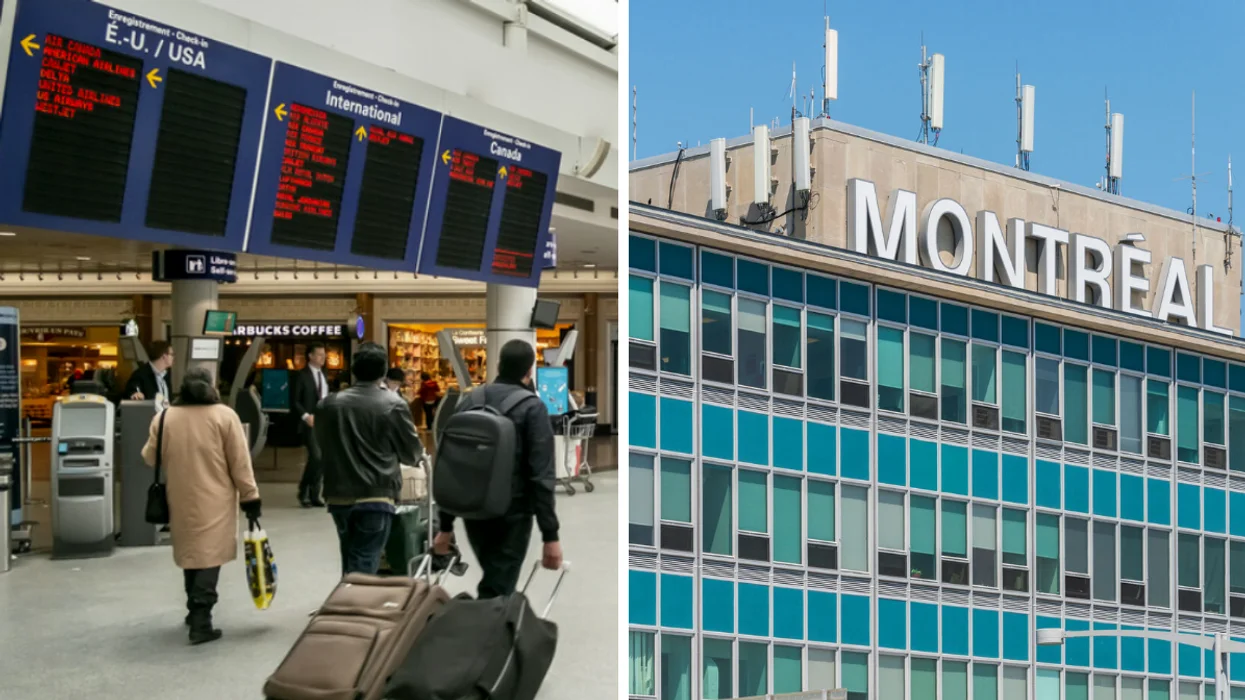
Global Affairs Canada released new guidance on December 10 for Canadians planning international trips this winter.
If you're planning to escape Montreal's winter chill for a sunny getaway, listen up — the Canadian government just dropped some crucial travel advice you need to hear.
Global Affairs Canada released new guidance on December 10 for Canadians planning international trips this winter. And whether you're heading to a beach resort or exploring a European city, these reminders could save your vacation from going sideways.
Get travel insurance before you go
This is huge: The government says one of the most important things you can do before leaving Canada is to get proper travel insurance.
Look for coverage that includes medical emergencies, trip cancellations, lost or stolen baggage, and any adventure activities you're planning. And here's something many people miss — some insurance plans won't cover you if you're travelling to a destination that's under an official travel advisory, so read that fine print carefully.
Check your passport validity
Don't just assume you're good because your passport isn't expired yet. Many countries require your passport to be valid for at least six months beyond your return date.
You might also need a visa, proof of vaccination, or other documentation, depending on where you're going. Get this sorted well ahead of time, especially during the holidays when processing times can stretch longer than usual.
Travelling with kids? Extra paperwork required
If you're bringing children along (particularly if they're not travelling with both parents) you may need additional documents like a consent letter. The requirements vary by destination, so check the "Children and travel" section on the government's website for detailed info.
Know the local laws
This seems obvious, but it's worth repeating: Don't assume other countries work the same way Canada does.
The government specifically warns against buying or using illegal drugs abroad, regardless of what the local culture might seem like. Breaking laws in another country can have serious consequences, and Canadian officials may not be able to help you if you land in trouble.
Follow the "3 Rs" of safe travel
Global Affairs Canada recommends remembering these three steps:
Read Canada's travel advisories for your destination, which include safety risks, health alerts, entry requirements, and local laws. The government is launching new colour-coded maps later this month to help you quickly understand risk levels for over 230 destinations.
Register your trip through the Registration of Canadians Abroad service. You'll get alerts if something serious happens at your destination — or back home — while you're away.
Reach out if you need help. Keep emergency contact info for Canadian consular services handy in case you run into trouble.
Emergency help is available 24/7
If something goes wrong while you're travelling, Global Affairs Canada's Emergency Watch and Response Centre is available around the clock by phone (+1 613 996 8885), text (+1 613 686 3658), Signal, WhatsApp, or email (SOS@international.gc.ca).
The government also recommends keeping digital or printed copies of all your important travel documents somewhere safe and leaving a copy with someone back home.
With a bit of prep work, you can avoid nasty surprises and keep your winter getaway stress-free. For more information, visit Travel.gc.ca.
- Canada is increasing the GST/HST credit in 2026 and here's how much you could get ›
- Canada's 'freest' provinces were ranked and Quebec didn't score so well ›
- 11 crucial tips for surviving a Montreal winter, according to people who live here ›
- A Montreal lottery winner chose $1K a week over a $1M jackpot and the internet is losing it - MTL Blog ›
- Some travellers going to the US may soon need to hand over 5 years of social media history - MTL Blog ›
- Canada just changed its citizenship rules & it could affect your kids if you were born abroad - MTL Blog ›
- A 'weather bomb' could bring power outages to Montreal as heavy winds and rain hit Quebec - MTL Blog ›
- Montreal's Trudeau airport is warning of extra traffic chaos ahead of March break - MTL Blog ›