Some travellers going to the US may soon need to hand over 5 years of social media history
A new proposal could make crossing the border way more invasive for some.
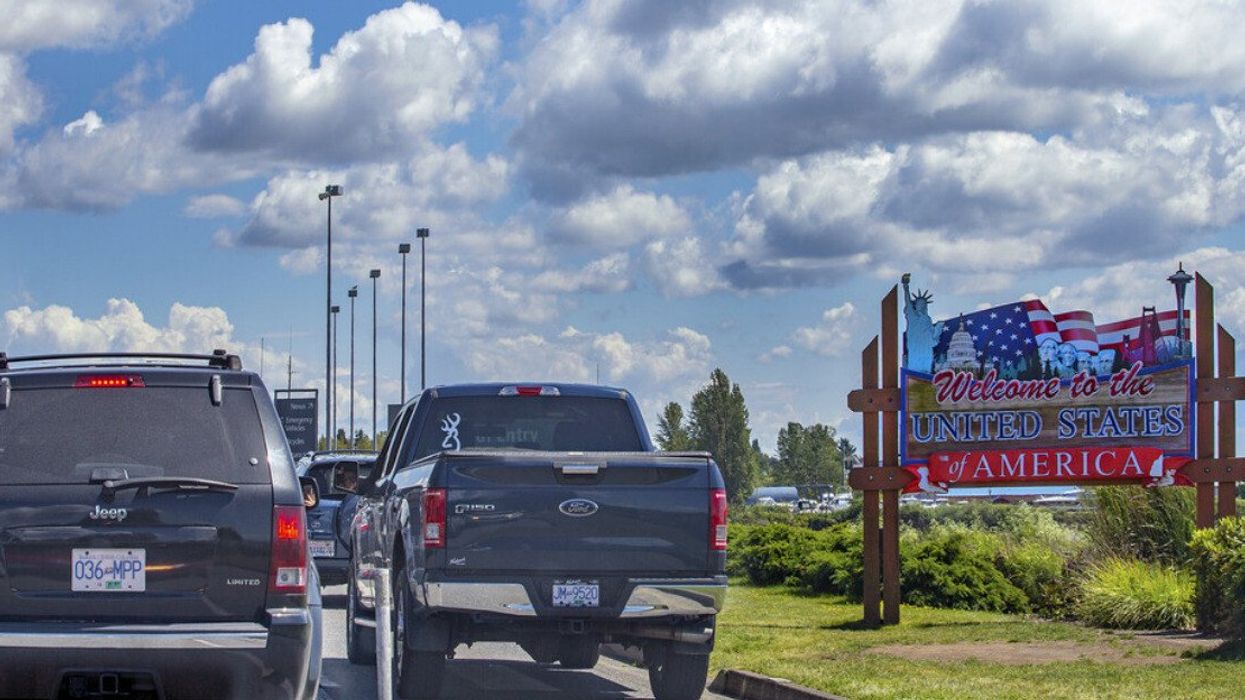
American border agents may soon demand certain people's social media history before entry.
If you've been planning a trip to the US, you might want to start thinking about what you've been posting online for the past five years.
The Trump administration just dropped a proposal that could make Canada-US travel a whole lot more intrusive, especially if you're a Canadian permanent resident.
US Customs and Border Protection published a notice this week detailing major changes to how it screens travellers from Visa Waiver Program countries. If approved, the new rules would force people applying for travel authorization to hand over detailed personal information, including five years of social media activity.
And that's not even the most invasive part.
What's changing at the US border?
CBP wants to completely overhaul the Electronic System for Travel Authorization (ESTA) — the system that lets travellers from certain countries enter the US without a visa for short trips.
Canadian citizens don't use ESTA, but Canadian permanent residents who hold passports from Visa Waiver Program countries like the UK, France, Australia, South Korea, Germany and Taiwan do — and they'd be directly impacted.
Here's what the proposal includes:
- Social media accounts from the past five years would become mandatory on all ESTA applications.
- Travellers would need to provide old email addresses, phone numbers and family members' contact info going back up to 10 years.
- Facial recognition would be required through the ESTA mobile app, which would become the only way to apply — the website is being phased out.
- Biometrics like fingerprints, iris scans and even DNA could be collected, though it's unclear how that would work.
Is this actually happening?
Not yet, but it become a reality soon.
This is still a proposed rule, not a done deal. It was published December 10, and the US government is accepting public comments until February 9, 2026.
After that, CBP will review feedback and decide whether to finalize or change the rules.
That said, the notice explains that many of these measures have already been approved under an "emergency clearance," so there's a good chance they'll go through in some form.
CBP says the updates are part of meeting requirements from Executive Order 14161, which President Donald Trump signed when he returned to office in January. The order calls for more aggressive screening of visitors to "protect citizens from aliens" considered national security threats.
Who does this affect?
The changes would mostly impact non-citizens from Visa Waiver Program (VWP) countries. For context, that's over 40 nations including the UK, France, South Korea, Taiwan, Australia, Ireland, Germany, Japan, Italy, Israel, Portugal and Chile.
If you're a Canadian permanent resident with a passport from one of these countries, you already need an ESTA before visiting the US, even for a quick weekend trip.
Under the new rules, that simple application could soon mean submitting a live selfie, your last five years of social media posts, and any email addresses you've used in the past decade.
You'd also need to provide detailed personal data for family members like your spouse, parents, siblings and kids — including all their phone numbers from the past five years, birth dates and places, and current addresses.
If you're a Canadian citizen, you typically don't need a visa or ESTA for short US trips for tourism, shopping or business, so these changes probably won't apply to you — at least not yet.
However, if you're travelling for work, school, or to join family, you might still need a visa. And with recent Trump administration changes — like the new $350 "visa integrity fee" introduced in October — that process is getting more complicated.
Why is the US doing this?
According to CBP, it's all about improving national security and stopping fraud. The agency claims applicants have been uploading low-quality photos on the ESTA website to bypass facial recognition, and scammers are using fake passport data to get travel approvals.
By making the ESTA app mandatory and collecting more personal data, CBP says it'll be better able to verify identities and catch bad actors.
But requiring years of personal information — including five years of social media history — is likely to raise privacy concerns for a lot of travellers.
What travellers should know
Canadian citizens visiting for vacation or shopping are mostly unaffected by this new proposal. But Canadian permanent residents from VWP countries may soon need to share social media history, facial data and more if they want to enter the US.
Applications for US travel authorization will only be accepted through the mobile app — the website is being eliminated. That means you'll need to dig up old contact info including phone numbers, emails and family details.
These changes aren't final yet, but could be in place as soon as March 2026. If you're planning US travel soon, it's smart to check your ESTA status, confirm whether you qualify under the Visa Waiver Program, and stay updated on the latest requirements.
This proposal is just one of several border changes coming from the Trump administration. The $350 integrity fee already kicked in for certain visa applicants in October, hitting some Canadian permanent residents with extra costs.
And starting December 26, the US government will also be able to photograph all non-citizens — including Canadians — every time they enter or exit the country, with those images stored for up to 75 years.
The border's getting stricter, and it's more important than ever to know what you're getting into before you cross.
This article is adapted from "Some travellers from Canada to the US could soon have to share 5 years of social media history," which was published on Narcity.